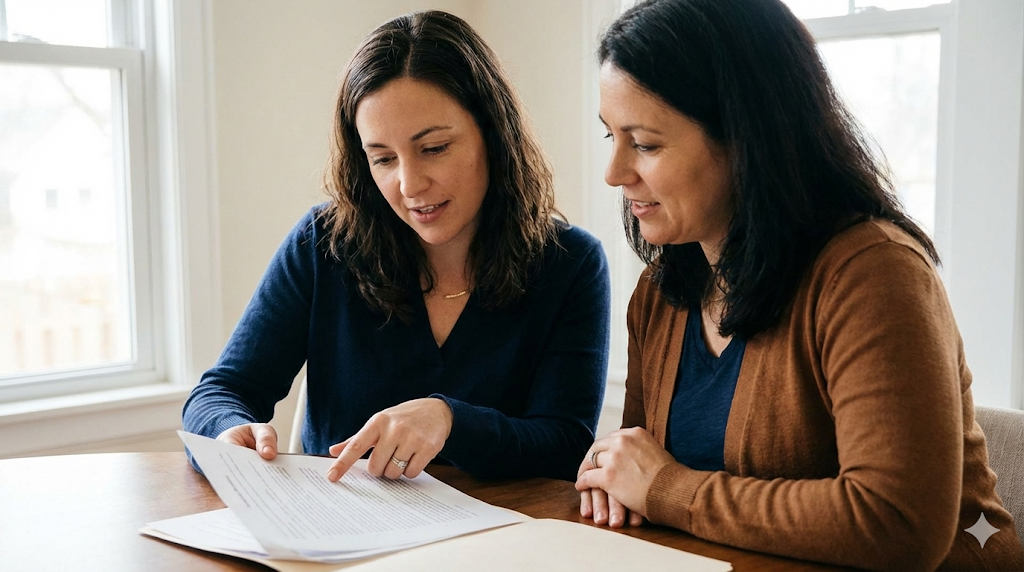

Every day, I work with families whose children are struggling—not with math or reading, but with their mental health. Anxiety that makes it impossible to raise a hand in class. Depression that manifests as “laziness” that the school interprets as lack of effort. ADHD that goes unrecognized as a disability because the child is smart but can’t organize themselves. Trauma responses that look like “misbehavior.”
And every day, I see the same pattern: Parents know something is wrong. Schools either dismiss the concerns or tell families there’s nothing they can do about it.
I see you. I’ve sat with parents who feel like they’re failing because their child won’t go to school. I’ve listened to teachers say things like, “I’m not a therapist,” as if that absolves them of responsibility to support a student’s mental health needs. I’ve sat across from administrators who seemed to think that documenting a student’s mental health struggles was optional.
Here’s what I need you to know: Your child’s mental health at school is not optional. It’s not extra. It’s not something schools can punt to parents and call it a day.
And there are legal tools—backed by federal law—that can make real differences.
The Reality: Why Mental Health at School Matters
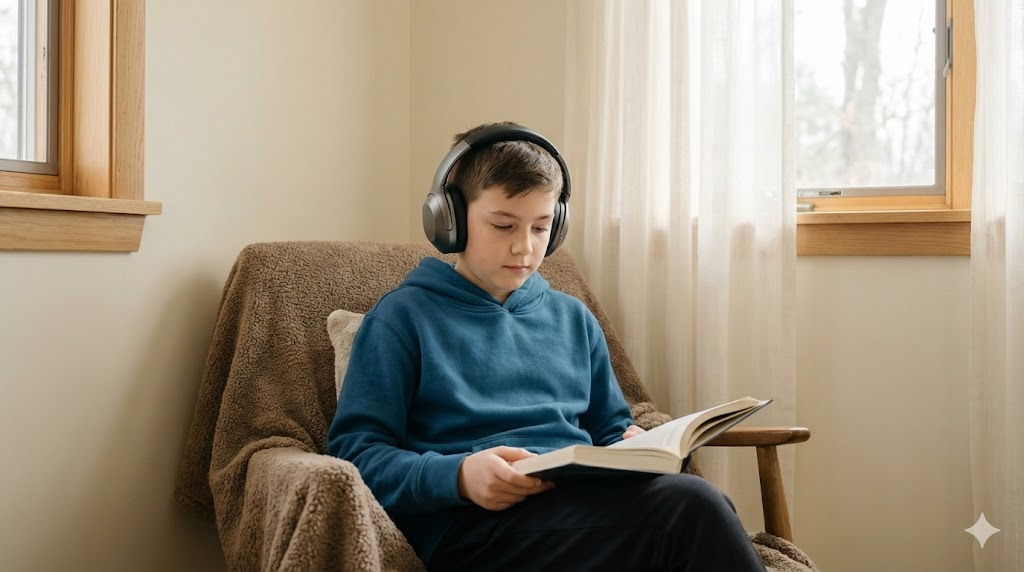
Mental health affects learning. Full stop.
A child with untreated anxiety doesn’t test well. A child with depression doesn’t engage with schoolwork. A child with ADHD can’t sit through a lecture, even if they understand the material. A child with trauma responses doesn’t feel safe enough to be vulnerable in a classroom.
These aren’t character flaws. They’re disabilities. And they deserve the same legal protection and support as any other disability.
I’ve met brilliant kids who couldn’t function in school because their mental health needs weren’t being met. I’ve also met kids whose mental health transformed—and whose academic performance improved dramatically—the moment they got appropriate support.
The difference? Legal structure. IEPs. 504 plans. Accommodations written into binding documents that schools can’t ignore.
When Does a Mental Health Condition Become a School Disability?
This is the question parents ask most often: “Does my child qualify for an IEP or 504 plan?”
Here’s how it works:
Under IDEA (IEP territory): Your child qualifies for an IEP if they have a disability (physical, cognitive, emotional, sensory) that adversely affects educational performance, and they need special education services to make meaningful progress.
Mental health conditions that might qualify for an IEP include:
- Emotional disturbance (depression, anxiety, behavioral disorders)
- Other Health Impairment (ADHD, some anxiety disorders)
- Autism Spectrum Disorder (which can include anxiety, sensory issues, social challenges)
- Traumatic Brain Injury or physical disabilities that have emotional components
Under Section 504 (504 plan territory): Your child qualifies if they have a physical or mental impairment that substantially limits a major life activity (learning, attending school, eating, sleeping, concentrating).
This is broader than IDEA. A child might not qualify for special education services (IDEA) but still qualify for a 504 plan. For example, a student with mild anxiety that affects concentration but doesn’t require specialized instruction might have a 504 plan with accommodations but not an IEP.
Here’s the key: If your child’s mental health is affecting their ability to access education, they probably qualify for something.
IEP for Mental Health: What It Looks Like
If your child qualifies for an IEP due to mental health needs, the IEP should include:
Special Education Services
This might include:
- Counseling services (with a school psychologist or counselor)
- Social-emotional instruction (teaching skills like emotion regulation, coping strategies, social interaction)
- Behavioral support (working with a behavioral specialist)
- Small-group or resource room instruction (in a less stimulating environment)
- Classroom support (an aide or behavioral specialist in the general education classroom)
Goals Addressing Mental Health
IEP goals should address the mental health areas affecting learning. Examples:
- “Student will use three identified coping strategies when experiencing anxiety, with 80% success, measured through self-report and teacher observation.”
- “Student will increase ability to handle transitions, achieving calmness within 5 minutes 90% of the time.”
- “Student will accurately identify emotions and communicate needs to an adult before behavior escalates, in 4 out of 5 opportunities.”
These goals should be measurable, specific, and tracked regularly.
Accommodations and Supports
Accommodations help the child access education despite their disability. Examples for mental health:
- Preferential seating (near the teacher, away from distractions)
- Breaks for emotional regulation (can step out for a few minutes without it being a punishment)
- Modified assignments (same content, adjusted delivery or quantity)
- Extended time for tests
- Quiet space for work
- Check-in system with a trusted adult
- Clear, visual schedules
- Sensory tools (fidget tools, weighted blankets)
Behavior Intervention Plan (BIP)
If your child’s mental health is manifesting in behaviors that interfere with learning (aggression, defiance, withdrawal), a BIP should be developed. A good BIP is based on a Functional Behavior Assessment (FBA) that identifies what’s triggering the behavior and what the child is trying to communicate through it.
All behavior is communication. An effective BIP teaches the child a better way to communicate their needs.
504 Plans for Mental Health: When Special Education Isn’t Necessary But Support Is
A 504 plan provides accommodations in general education. It’s not special education, but it’s meaningful protection.
For a student with mental health concerns who doesn’t need special education services, a 504 plan might look like:
Accommodations
- Excused absences related to mental health treatment (therapy appointments)
- Flexibility on bathroom breaks (anxiety-related needs)
- Modified environment (separate testing location)
- Assignment extensions (not reduced workload, but more time)
- Preferential seating
- Regular check-ins with a counselor or trusted staff member
- Flexibility around transitions
No Specialized Instruction
Unlike an IEP, a 504 plan doesn’t provide special education services. But it protects the student’s access to general education through accommodations.
A student with depression might get a 504 plan that:
- Allows flexibility if their depression is affecting attendance
- Provides access to school counseling
- Allows breaks during the day
- Ensures teachers understand that their struggles aren’t laziness
What To Request: Specific Accommodations by Condition
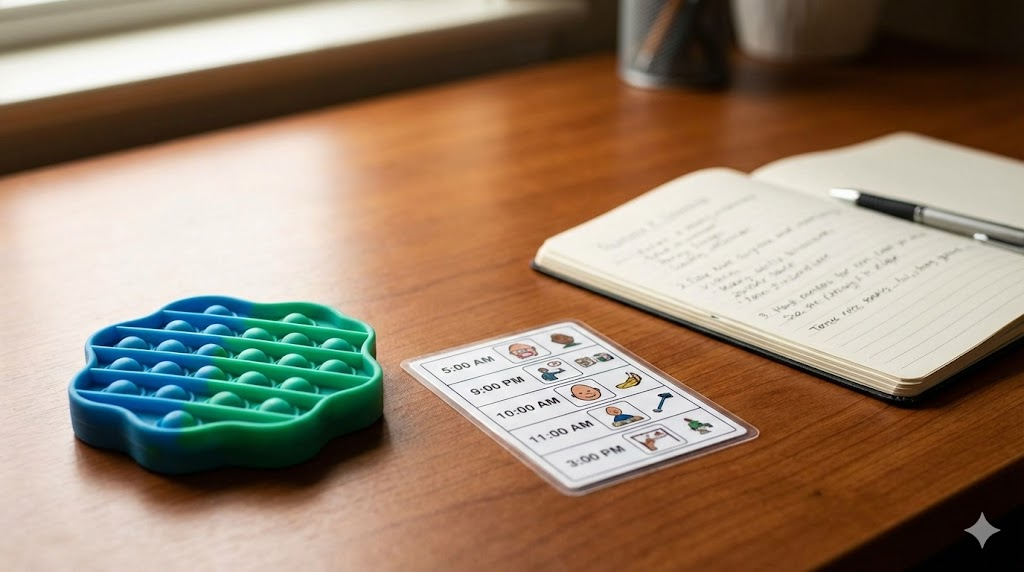
Let me give you concrete examples of what to request in an IEP or 504 plan for different conditions:
For Anxiety
- Separate testing location (quiet, low-stress)
- Extra time for tests and assignments
- Advance notice of transitions
- Permission to step out and use coping strategies
- Regular check-ins with a trusted adult
- Seating away from potentially triggering situations
- Ability to opt out of high-anxiety activities (group presentations) in favor of alternative assignments
- Clear expectations and rubrics
For Depression
- Flexibility with attendance related to mental health (therapist appointments, mental health episodes)
- Modified homework policy (reduced, not eliminated, to prevent overwhelm)
- Access to counseling at school
- Understanding that slower work pace doesn’t mean lower capability
- Positive reinforcement system (depression affects motivation; generic praise helps)
- Regular communication between school and home about mood observations
- Safe space to go if feeling unsafe
For ADHD
- Preferential seating (near teacher, away from distractions)
- Movement breaks
- Chunked assignments (smaller, more frequent tasks vs. large projects)
- Timers and visual schedules
- Fidget tools during instruction
- Noise-reducing headphones during independent work
- Organizational support (folders, checklists, reminders)
- Alternative ways to demonstrate learning (not all written tests)
For Trauma Responses
- Predictable routines and advance notice of changes
- Safe person/place to go if triggered
- Flexibility around topics that might be triggering (don’t force participation in specific activities)
- Sensory tools (weighted items, fidgets)
- Clear communication about expectations
- De-escalation strategies staff are trained in
- Avoidance of physical restraint or isolation (should be last resort only)
- Regular check-ins about safety and support needs
For School Refusal/Avoidance
- Phased re-entry plan if the child has missed significant time
- Shortened school days, gradually extended
- Regular mental health support (counseling)
- Clear communication between home and school
- Incentive system for attendance
- Understanding that punishing avoidance doesn’t address the underlying fear or anxiety
The Difference IEPs and 504s Make: Real Examples
Let me show you what this looks like in practice.
Scenario 1: Untreated Approach
Emma has anxiety. When she feels anxious at school, she can’t concentrate. She doesn’t raise her hand. She doesn’t turn in work on time. Teachers see laziness. She gets lower grades. She gets frustrated and withdrawn. No one addresses the anxiety.
Scenario 2: 504 Plan
Emma has anxiety. Her 504 plan allows her to take tests in a separate, quiet location. She gets extra time. She can take breaks to use breathing exercises. Teachers understand her silence isn’t a lack of understanding. She has regular check-ins with the school counselor. Her grades improve. She feels supported.
Scenario 3: IEP with Services
Emma has anxiety. In addition to accommodations from Scenario 2, she receives counseling services with the school psychologist (1x weekly). She’s learning specific skills for managing anxiety—not just coping, but actual skill-building. She has a BIP that helps teachers recognize anxiety signs early and offer support before Emma feels overwhelmed. She participates in small-group instruction focused on social-emotional learning.
Same child. Very different outcomes.
Warning Signs That Your Child Needs School Mental Health Support
Don’t wait for your child to reach crisis level. Watch for:
- School avoidance or school refusal (“I can’t go to school”)
- Significant drop in grades
- Sleep changes (too much/too little)
- Withdrawal from activities they used to enjoy
- Increased irritability or mood swings
- Comments about not feeling safe or liked
- Physical complaints (headaches, stomachaches) without medical cause
- Changes in eating or self-care
- Anxiety about specific situations (lunch, transitions, group work)
- Self-harm or safety concerns
Any of these warrant a conversation with the school about mental health support.
How to Initiate the Process: Requesting Evaluation and Support
If you’re concerned about your child’s mental health:
Step 1: Request an evaluation in writing. State your concerns clearly.
“I am requesting a comprehensive evaluation for my child, specifically including assessment of emotional, behavioral, and mental health needs. My child is struggling with [describe: anxiety, attention, mood, behavior]. This is affecting their ability to access education.”
Step 2: The school should provide an Evaluation Plan. Make sure it includes:
- Emotional/behavioral assessment
- Parent and teacher interviews about mental health
- Classroom observation
- Any mental health evaluations
Step 3: If the school is hesitant, you can insist. Mental health is part of a comprehensive evaluation.
Step 4: Once you have evaluation results, if your child qualifies, work with the team to develop an IEP or 504 plan that actually addresses the mental health needs.
Arizona Mental Health Resources for Schools
Arizona has specific resources schools should be utilizing:
- Arizona PBIS (Positive Behavioral Intervention and Supports)
- Arizona Trauma-Informed Practices
- Mental Health partnerships between schools and community providers
- Crisis hotlines and resources that should be made available to students
Ask your school what mental health supports they’re using. If they can’t tell you, that’s a problem.
When Schools Resist
I’ve seen schools resist mental health IEPs and 504s for a few reasons:
- Cost (mental health services require hiring staff)
- Misunderstanding (thinking mental health is only a medical, not an educational, issue)
- Defensiveness (fearing that acknowledging mental health needs is an admission of something)
Here’s what I tell parents: That’s their problem. Your child’s rights don’t hinge on school comfort.
If a school resists, you can:
- Request it again in writing
- Request an Independent Educational Evaluation
- Bring an advocate or attorney to the meeting
- File a complaint with the Arizona Department of Education
Schools know the law. They just sometimes hope parents don’t.
The Bottom Line: Mental Health Is Non-Negotiable
I’m not here to be polite for the sake of being polite. I’m here to make sure your child gets the support they legally deserve.
Your child’s mental health at school is not a luxury. It’s a legal right. It’s also a practical necessity—because a child who’s anxious, depressed, or traumatized can’t learn, no matter how smart they are or how good the instruction is.
If your child is struggling with mental health and school isn’t providing support, that’s not your failure. That’s a broken system. But it’s a system you can push back on.
You don’t have to accept a school’s “that’s just how they are” response. You don’t have to watch your child suffer through a school day without support. And you don’t have to figure this out alone.
Let’s Work Together
If you’re trying to figure out whether your child needs mental health support at school, or if you’re already fighting for an IEP or 504 plan that actually addresses your child’s needs, I’m here.
Stone Educational Advocacy & Consulting helps Arizona families navigate mental health and special education. We understand the intersection. We know the law. We advocate for real support.
Email: alison@stoneeac.com
Phone: 480.973.3553
Let’s make sure your child’s mental health gets the legal protection it deserves.